


How to Pack Moving Boxes: Tips for a Safer, Easier Move
Packing up your home can feel like a never-ending game of Tetris. There’s the kitchen to sort, wardrobes full of clothes, cupboards you forgot existed and that mysterious drawer full of cables nobody wants to throw away.
But packing isn’t just about getting everything into boxes. How you pack makes a big difference to how easy those boxes are to lift, how well your belongings survive the journey and how much of a headache unpacking becomes.
The good news? A few simple tricks can make the whole process much easier. Here’s how to pack moving boxes properly, from grouping your belongings to distributing weight and taping everything up securely.

1. Group Similar Items Together
It can be tempting to grab a box and start filling it with whatever is nearby. While that might seem quicker at the time, you’ll probably regret it when you’re trying to find your kettle in a box labelled “bits and pieces”.
Instead, pack one room at a time and group similar items together. This makes it easier to keep track of your belongings and get everything into the right room at your new place.
A few examples:
- Kitchen: Group plates, bowls and mugs together, keeping fragile items well protected. Pack utensils and cooking equipment separately where practical.
- Bedroom: Keep clothes, shoes and accessories together. Pack bedding and linen in their own boxes.
- Bathroom: Group toiletries, towels and bathroom accessories. Make sure liquids are sealed to avoid any unwanted leaks.
- Living room: Keep books together, pack electronics carefully and wrap ornaments individually.
- Garage or shed: Group tools, hardware and other equipment together. Keep sharp edges protected and pack heavy tools into smaller, sturdy boxes.
You don’t need to pack every single item from one room into the same box. The trick is to keep things organised enough that you can find what you need without opening every box in the house.
2. Put Heavy Items in Small Boxes
One of the biggest packing mistakes is choosing a large box for heavy items. It might seem efficient to fit all your books into one big carton, but you’ll soon discover just how heavy a box of books can get.
A better approach is to use smaller boxes for dense, heavy items and save the larger boxes for lighter belongings.
A good rule of thumb:
- Small boxes: Books, tools, canned food and other heavy items.
- Medium boxes: Kitchenware, toys, small appliances and everyday household items.
- Large boxes: Clothes, cushions, bedding, towels and other lightweight, bulky items.
This helps keep boxes at a manageable weight and reduces the risk of the bottom giving way when you lift them.
If a box is difficult to lift comfortably, don’t try to be a hero. Remove some items and spread the weight across a couple of boxes instead.

3. Distribute the Weight Evenly
Once you’ve chosen the right box, think about where you’re placing everything inside it.
Start by putting heavier items at the bottom, then work your way up to lighter items. This helps create a stable box and reduces the chance of heavier belongings crushing anything underneath them.
For example, if you’re packing kitchen items, you could place heavier pots at the bottom, followed by lighter utensils and other items that can safely sit above them.
There are a few other things worth remembering:
- Keep the weight balanced. Avoid putting all the heavy items on one side of the box, as this can make it awkward to carry.
- Protect fragile items. Wrap plates, glasses and ornaments individually in packing paper or suitable protective material.
- Fill empty spaces. Use scrunched packing paper, towels or other suitable padding to stop items moving around during transport.
- Don’t overfill boxes. You should be able to close the flaps without forcing them down or bulging the sides.
Give the box a gentle shake before sealing it. If everything is sliding around inside, add some more padding. You want the contents to stay put rather than play musical chairs every time the box moves.
4. How to Tape Moving Boxes Properly
A box is only as reliable as its weakest point, and that often means the bottom. A single strip of tape across the middle might hold a lightly packed box, but heavier contents put more strain on the seams.
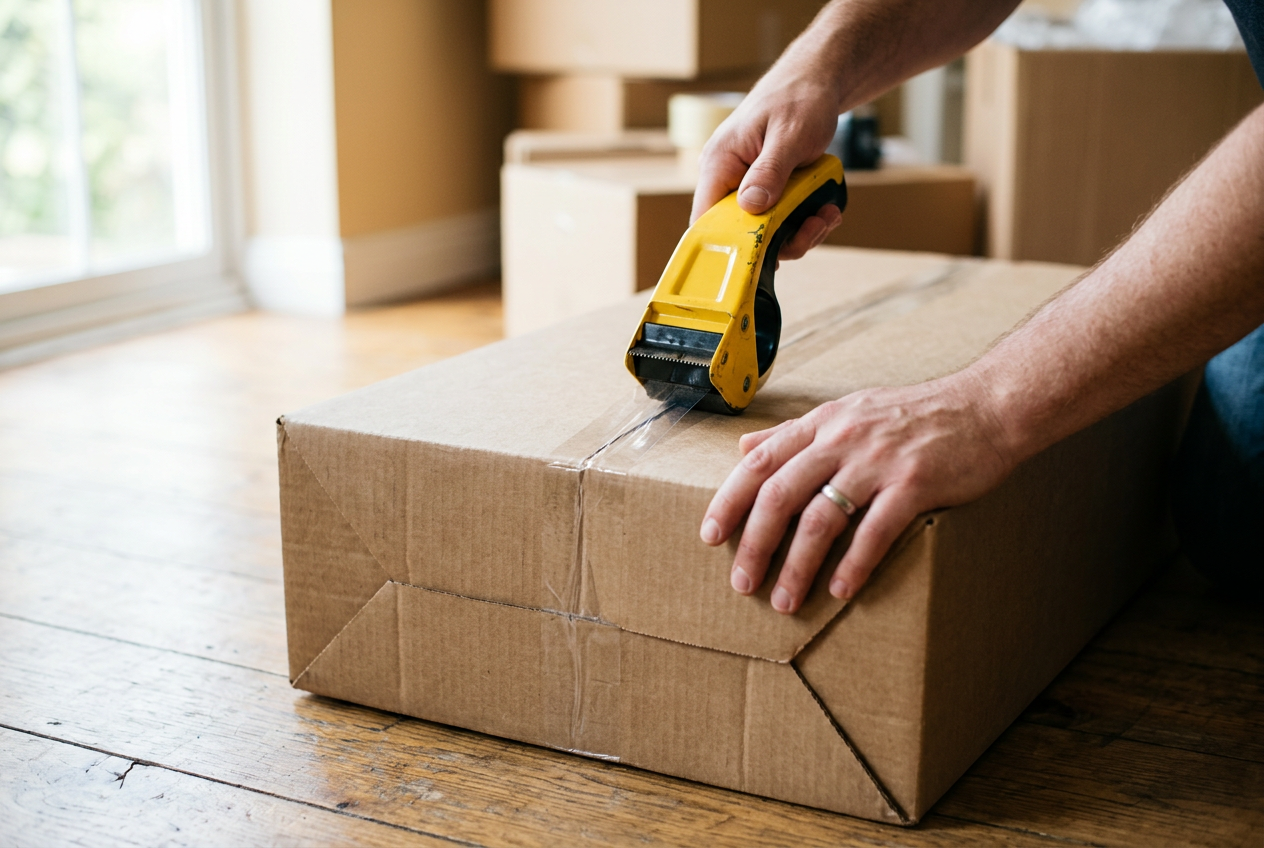
For a stronger seal, use good-quality packing tape and follow the H-taping method.
Here’s how it works:
Step 1: Fold the bottom flaps. Fold the two shorter flaps in first, followed by the two longer flaps, so they meet neatly in the middle.
Step 2: Tape the centre seam. Run a strip of packing tape along the full length of the seam where the two larger flaps meet. Let the tape extend a few centimetres up each end of the box.
Step 3: Tape across the two ends. Add another strip across each end of the centre seam, where the flaps meet the sides of the box. These strips should run perpendicular to the first strip, creating an H shape.
Step 4: Add extra tape where needed. If you’re packing heavy items or using a box that has been used before, reinforce the base with additional tape. Don’t rely on one strip to do all the heavy lifting.
Step 5: Repeat on the top. Once the box is packed, fold the flaps closed and use the same H-taping method to seal the top.
The result is a more secure box that’s better prepared for being lifted, stacked and transported. For particularly heavy items, a strong box and sensible weight distribution are just as important as the tape itself.
5. Don’t Leave Fragile Items to Chance
Some belongings can handle a little bump along the way. Others definitely cannot.
When packing fragile items, take the time to wrap them properly and give them enough cushioning to prevent them from knocking against each other.
A few simple tips:
- Wrap glasses, mugs and ornaments individually.
- Place a layer of cushioning at the bottom of the box.
- Pack plates securely with protective material between them.
- Fill gaps so fragile items can’t move around.
- Clearly label the box as FRAGILE and indicate which way up it should stay, where appropriate.
Avoid placing heavy items on top of fragile belongings, even if you’ve wrapped everything carefully. Padding helps, but it isn’t a guarantee against crushing.
For particularly valuable or delicate items, consider using purpose-made protective packaging.
6. Label Every Box Before Moving Day
You’ll thank yourself later for this one.
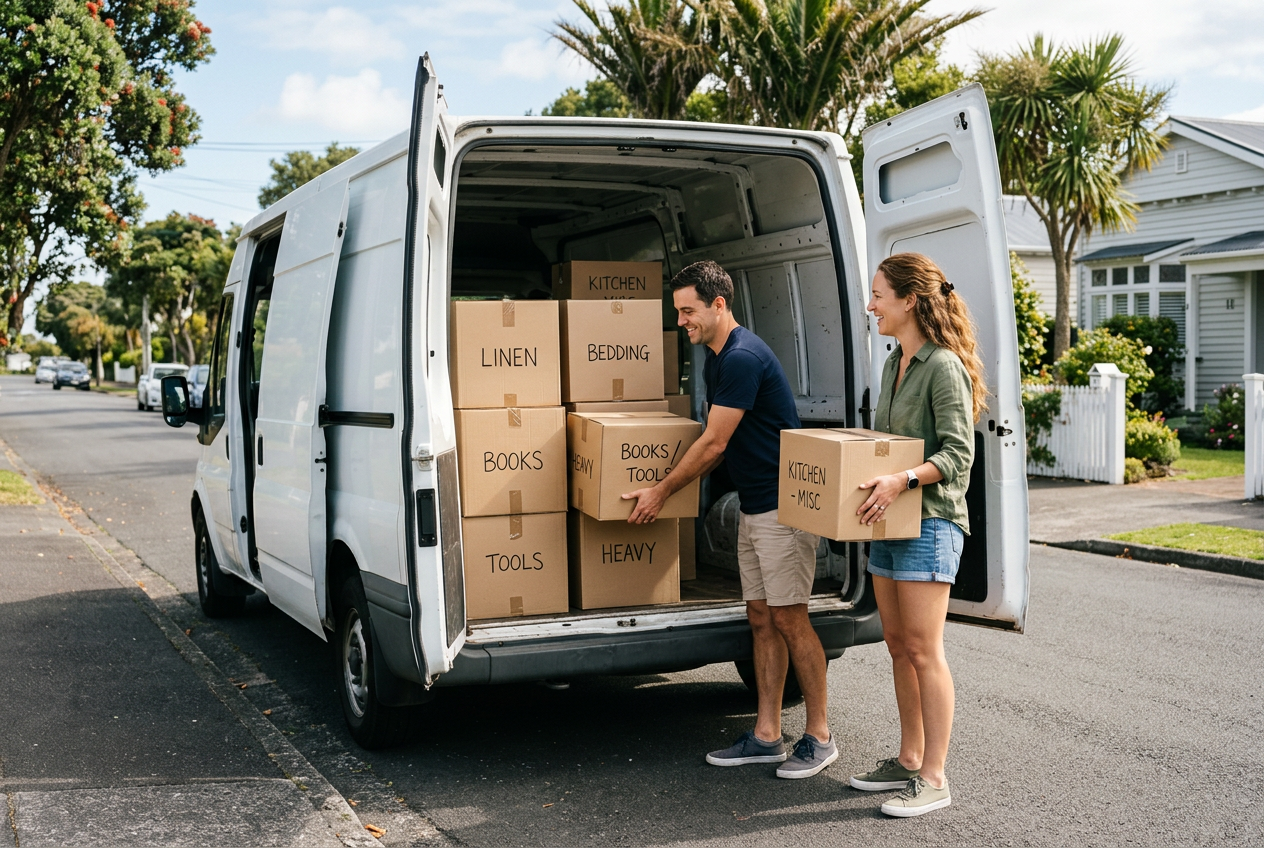
Writing “Kitchen” on a box is a good start, but adding a little more detail makes unpacking much easier. Try labels such as “Kitchen – Plates and Bowls” or “Bedroom – Winter Clothes”.
Label at least two sides of each box so you can identify it when boxes are stacked in the truck.
It’s also helpful to mark boxes containing fragile items and identify anything you’ll need straight away at your new place.
Consider packing a separate essentials box with things like toiletries, phone chargers, basic cleaning supplies, toilet paper, a change of clothes and a few kitchen necessities. Keep it somewhere accessible rather than burying it underneath everything else.
The goal is to make your first night in your new home feel like a fresh start, not an archaeological expedition through 30 identical cardboard boxes.
7. Pack With Moving Day in Mind
Packing well makes loading and unloading much easier, too.
Use boxes of similar sizes where practical, and make sure they’re properly sealed before loading them into your moving vehicle. Place heavier boxes towards the bottom of your load and lighter boxes above them, provided the boxes underneath are sturdy enough to support the weight.
Keep fragile items protected and secure the load appropriately so belongings don’t shift around during the journey.
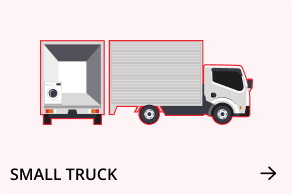
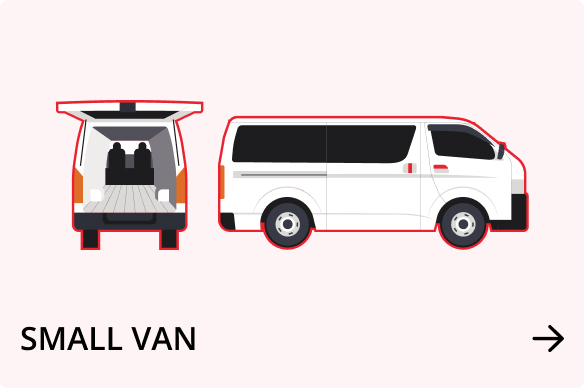
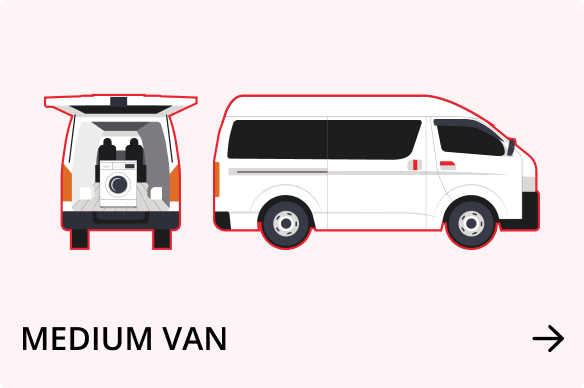
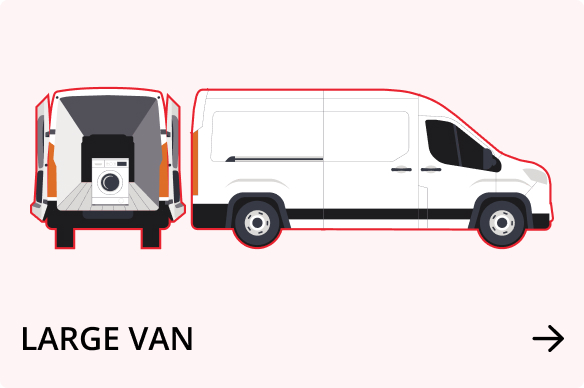
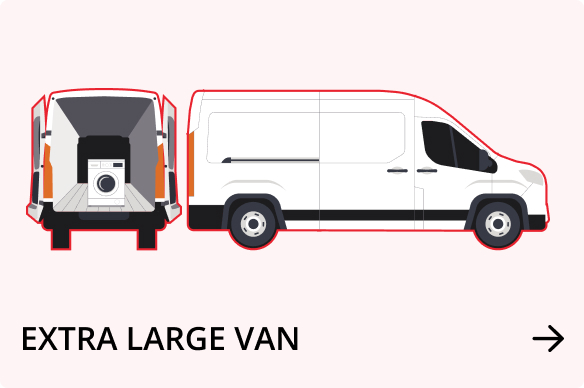
It’s also worth thinking about your moving vehicle before you start packing. Having enough space for your furniture, appliances and boxes means fewer awkward decisions when everything is ready to go.
If you’re hiring a moving truck, choose a size that suits the amount you’re moving. A little planning can save you from discovering that your last few boxes won’t fit just as you’re ready to hit the road.
Ready to Get Moving?
Packing your moving boxes properly doesn’t have to be complicated. Group similar items together, use smaller boxes for heavy belongings, distribute weight evenly, protect fragile items and give every box a secure seal.
A little extra care now can save you time, effort and a few moving-day mishaps later.
And when it’s time to get everything from A to B, Handy Rentals is here to help. With a range of trucks and vans to suit different moves, you can find a vehicle that fits your plans, all drivable on a standard car licence.
We’re 100% locally owned and operated, and we’ve been helping New Zealand move since 1989.